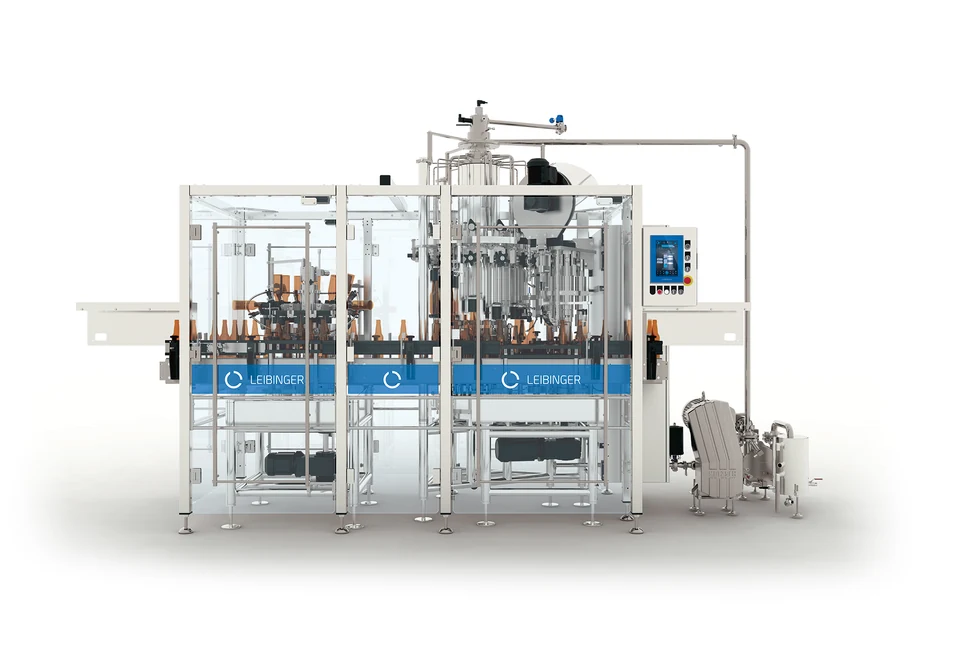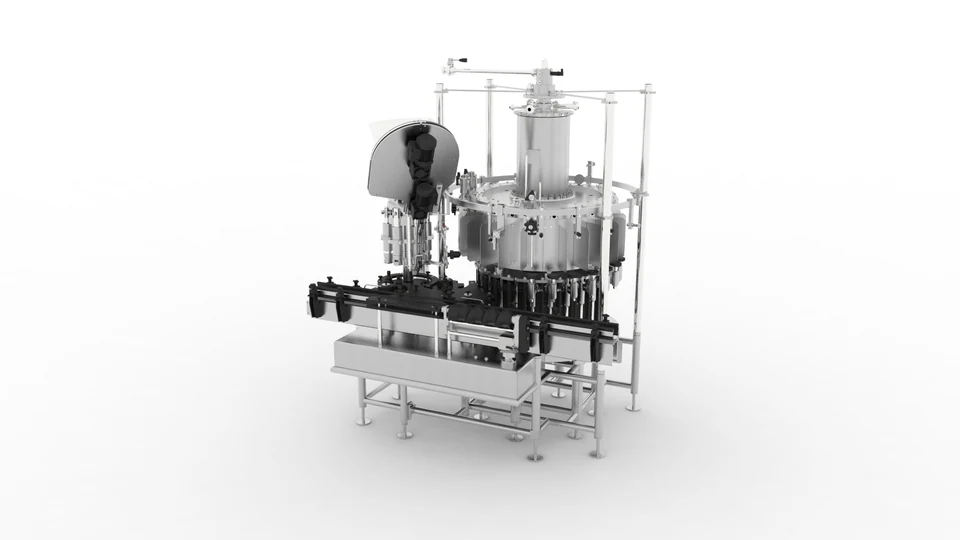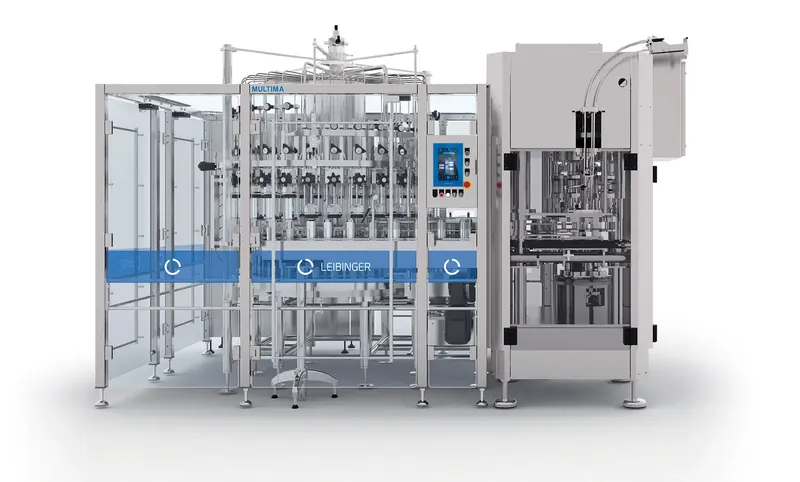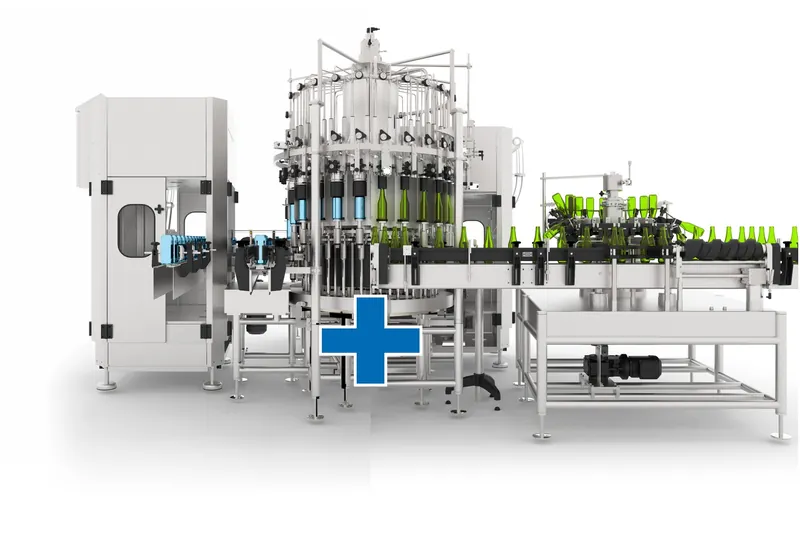
FILLING MACHINES FOR SMALL PROFESSIONAL BREWERIES

Your beer.
Your own filling line.

Filling technology in action.

Robust filling machines for bottles and cans. Built around your brewery, with cleaning in place and personal support from Teningen.

Starting your own filling operation, replacing a machine or expanding your range? Find a starting point for your brewery here.

  • CIP-capable and suitable for steaming
  • Robust stainless steel construction
  • Support from Teningen

FIND YOUR STARTING POINT

What would you like to fill?

Two choices help narrow the options. We will work out the right configuration together.

Choose the nearest value. We will work out the exact configuration together.

YOUR OPTIONS

Compare six machine concepts for bottles and cans.

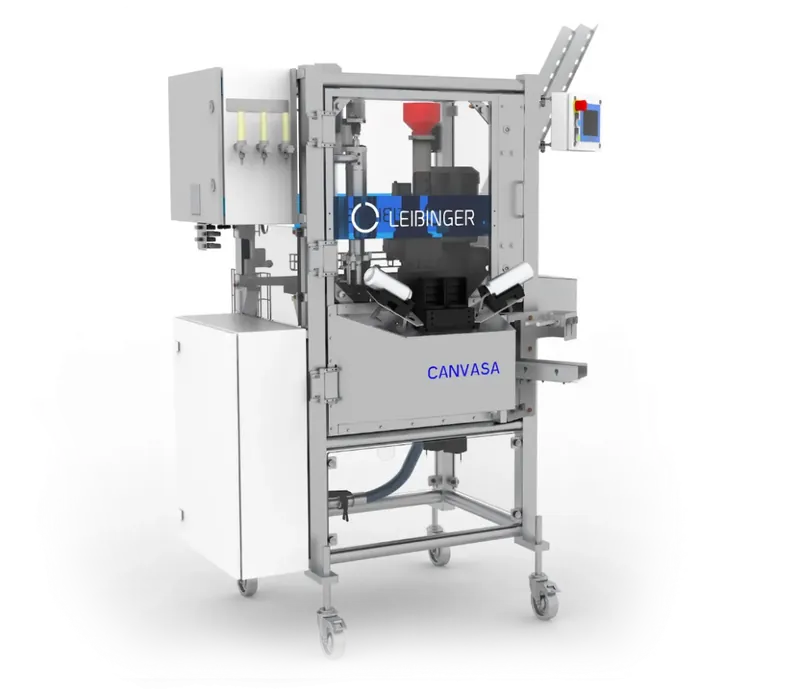
    LEIBINGER CANVASA – example configuration

    Start now. Expand later.

    CANVASA

    Approx. 1,400 cans/h

    Patented counter-pressure filling system. Typically supplied with a manual rinser and can seamer, with automation available for the same base machine later.

    For a start with manual can handling and the option to add more automation later.
    Explore the technology ↗
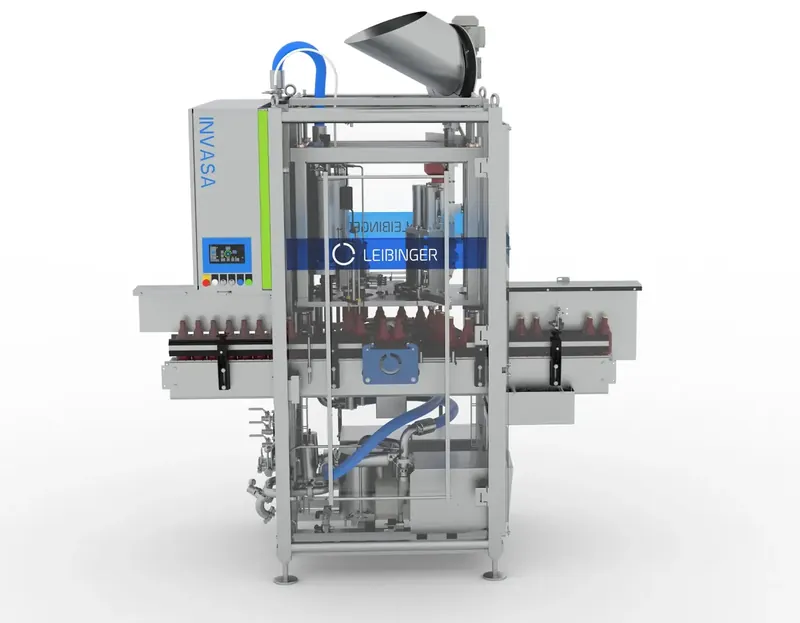
    LEIBINGER INVASA – example configuration

    Compact bottle filling

    INVASA

    Up to approx. 1,000 bottles/h

    Conventional counter-pressure technology with a crown capper, without a rinser. Height adjustment for different bottles; format changeover takes approx. 10 minutes.

    For smaller bottle volumes and a compact start to your own filling operation.

    Explore the technology ↗
    LEIBINGER MULTIMA L – example configuration

    A small range of bottle formats

    MULTIMA L

    600–13,100 bottles/h · Indicative range

    Long-tube filling with the product outlet near the bottle base. Available with 6, 12, 18, 24 or 30 filling stations; a lower entry cost than MULTIMA K.

    Often a suitable choice for breweries using a small range of formats, such as 0.33 L and 0.50 L.

    Explore the technology ↗
    LEIBINGER MULTIMA K – example configuration

    Many formats or frequent changeovers

    MULTIMA K

    1,200–13,100 bottles/h · Indicative range

    Short-tube filling with central height adjustment of the valve carrier plate. Available with 12, 18, 24 or 30 filling stations.

    For a wide range of bottle heights or frequent format changes: fewer format parts and faster changeovers.

    Explore the technology ↗
    LEIBINGER MULTIMA LC – example configuration

    Rotary can filling

    MULTIMA LC

    1,200–13,100 cans/h · Indicative range

    Long-tube counter-pressure filler with 12, 18, 24 or 30 filling stations. CO₂ displaces the air in the can before it docks with the valve.

    For a rotary canning line with a matched seamer and a configuration planned around your requirements.

    Explore the technology ↗
    LEIBINGER MULTIMA 2in1 – example configuration

    Bottles and cans

    MULTIMA 2in1

    1,200–13,100 containers/h · Indicative range

    Switchable filling valve for bottle and can operation. Available with 12, 18, 24 or 30 filling stations; changeovers and closing equipment are included in the planning.

    For alternating bottle and can production runs on the same filling machine.

    Explore the technology ↗

    The MULTIMA selection uses calculated indicative ranges of 50–105% of nominal output, rounded inwards to the nearest 100 containers/h. Reference conditions: Pilsner at 4 °C and 5.6 g CO₂/L in 0.33 L or 0.50 L containers. Results list each applicable volume separately; the family ranges combine machine sizes and both volumes. For INVASA and CANVASA, we will discuss the way you intend to operate. We will agree the product, containers and complete line with you personally.

    Not sure yet? Let us help you choose ↗

    COMPARE THE CONCEPTS

    What suits your next step?

    Your own bottling operation, canning with room to expand or frequent format changes: these differences help you choose.

    Filling concepts for small and medium-sized breweries
    Your plansMachineWhat it means for your breweryWhat to consider
    Start with compact canning and add more automation laterCANVASATypical base configuration: manual rinser and can seamer. Cans are largely fed and removed by hand; optional modules can be retrofitted later.The configuration is determined by the 202 or 200 can end size. Changing format within the same end size takes approx. 15 minutes.
    Bottle smaller volumes in-houseINVASAConventional counter-pressure filling with a crown capper and central adjustment for different bottle heights.Base configuration without a rinser. Bottle format changeover takes approx. 10 minutes.
    A small range of bottle formats, such as 0.33 L and 0.50 LMULTIMA LLong-tube filling with the product outlet near the bottle base. Lower entry cost; available from 6 filling stations.Typically suited to around three formats or fewer. No central height adjustment; each filling valve requires work during changeover.
    Many bottle heights or frequent format changesMULTIMA KShort-tube filling with central height adjustment of the valve carrier plate. Fewer format parts and faster format changeovers than MULTIMA L.12, 18, 24 or 30 filling stations. Consider the range of formats together with changeover frequency.
    Plan a rotary canning lineMULTIMA LCBefore the can docks, CO₂ from the long filling tube displaces the air inside. The can is not evacuated by vacuum.12, 18, 24 or 30 filling stations. Match the can format, seamer and complete line.
    Fill bottles and cans on one machineMULTIMA 2in1Switchable filling valve: vacuum pre-evacuation for bottles and CO₂ pre-purging before docking for cans.Plan the conversion, format parts and closing equipment for both operating modes.

    All changeover times are approximate guidelines. We will discuss the suitability of the specific machine with you. On small screens, scroll the table sideways.

    What is the nominal output of each MULTIMA size?

    Confirmed nominal outputs for Pilsner at 4 °C and 5.6 g CO₂/L. Containers must be suitable for the relevant machine family. The net output of your complete line also depends on infeed, discharge, closing equipment and other operations.

    Nominal output in containers per hour
    Size and family0.33 L0.50 L
    6*1,750 bottles/h1,200 bottles/h
    12 · MULTIMA L, K, LC and 2in13,2002,400
    18 · MULTIMA L, K, LC and 2in15,9004,300
    24 · MULTIMA L, K, LC and 2in19,5006,700
    30 · MULTIMA L, K, LC and 2in112,5009,300

    * The 6-station size is available for MULTIMA L only.

    How do format changeovers differ between MULTIMA L and K?

    MULTIMA L is often sufficient for a small range of bottle formats, typically around three or fewer. MULTIMA K offers advantages for many formats or frequent changes through its central height adjustment. The approximate guidelines below include basic changeover time and additional time per filling station, rounded to five minutes.

    Format changeover by machine size
    Filling stationsMULTIMA LMULTIMA K
    12approx. 40 minapprox. 25 min
    18approx. 50 minapprox. 35 min
    24approx. 70 minapprox. 45 min
    30approx. 80 minapprox. 50 min

    This table does not give a changeover time for MULTIMA L 6 or for switching between bottle and can operation.

    Can CANVASA grow with my brewery?

    Yes. Start with largely manual can infeed and removal, then add more automation to the same base machine later. An automatic rinser, palletising table and collection table are examples of optional modules that can be ordered initially or retrofitted.

    Modules can be installed at your premises with a LEIBINGER service technician. Alternatively, your existing machine can be converted at LEIBINGER, with major maintenance planned at the same time if required.

    Choose the can end size too: Standard and Sleek cans with 202 ends, or Slim cans with 200 ends, each require the appropriate configuration. Switching between 202 and 200 is not a regular format change on the same CANVASA. The approximate 15-minute changeover applies within the same end size.

    Can I fill PET bottles too?

    INVASA, MULTIMA L, K and 2in1 can be equipped with neck-handling holders for PET bottles. These support the bottle at the neck when it is pressed against the filling valve. We will agree the container, closure and product conditions for your configuration. With the appropriate equipment, MULTIMA 2in1 handles cans as well as glass and PET bottles.

    IN YOUR BREWERY

    Technology that helps you
    keep things moving.

    Deliberately mechanical in design, easy to clean and built for maintenance on site.

    01

    CIP-capable. Even the compact machines.

    All LEIBINGER machines we offer are CIP-capable and suitable for steaming, including INVASA and CANVASA. CIP means Cleaning in Place: cleaning without dismantling the components.

    Heat-resistant seals made from peroxide-cured EPDM. Cleaning agents, temperature and procedure are agreed for your configuration.

    02

    Handle many tasks yourself.

    Our machines use a deliberately mechanical design. Seals, springs and other components are easy to replace; motors and sensors can also be changed. Our service team can guide you through work on site when needed.

    The complete frame and main components are stainless steel. Larger, more involved maintenance can be planned with a service technician.

    03

    Plan staffing and automation together.

    With the base CANVASA configuration, cans are largely fed and removed by hand. Optional modules can add more automation to these steps later.

    We will discuss infeed, monitoring, discharge and staffing for your complete line.

    04

    Space for the machine and your team.

    A floor plan helps with positioning and access. For example, the base frame of a MULTIMA L 12 with rinser measures 2,660 × 1,310 mm.

    The frame dimensions do not represent the full space requirement: allow additional room for operation, maintenance, conveyors and other equipment.

    FROM BREWERY TO BREWERY

    Want to see the technology
    at work?

    Ask us for a reference suited to your plans. We will look for an existing brewery that matches your container type and planned configuration, and discuss how to arrange an exchange.

    Questions to ask on site
    • What does a typical filling day look like?
    • How are cleaning and format changeovers organised?
    • What has the experience of operation and service been like?
    Explore reference locations ↗

    PLANNING & WORKING TOGETHER

    From the first conversation
    to daily operation.

    1. Understand your plans

      Your drink, container type and approximate target output are enough to get started.

    2. Agree the configuration and price range

      We will match the concept and equipment to your requirements.

    3. Prepare a specific quotation

      Once the outline works for you, we will agree exactly what the quotation includes.

    YOUR NEXT STEP

    What are your plans
    for your brewery?

    A rough idea is enough. We will discuss the right machine and the information that will help with the next steps.

    From your selection

    Let us choose the right machine together.

    Let’s discuss your selection.

    Your selection is carried over. Add your contact details and a few words about your project. Only fields marked * are required.

    Opening the form connects to HubSpot and transmits your IP address and browser information. We use your details to respond to your enquiry. This does not subscribe you to a newsletter. Form privacy information. You can also contact us by email or phone.

    Prefer to contact us directly?

    sales@leibinger.eu ↗

    +49 (0) 7641 46885-0

    Mon–Thu 07:30–16:00
    Fri 07:30–14:30 · German local time